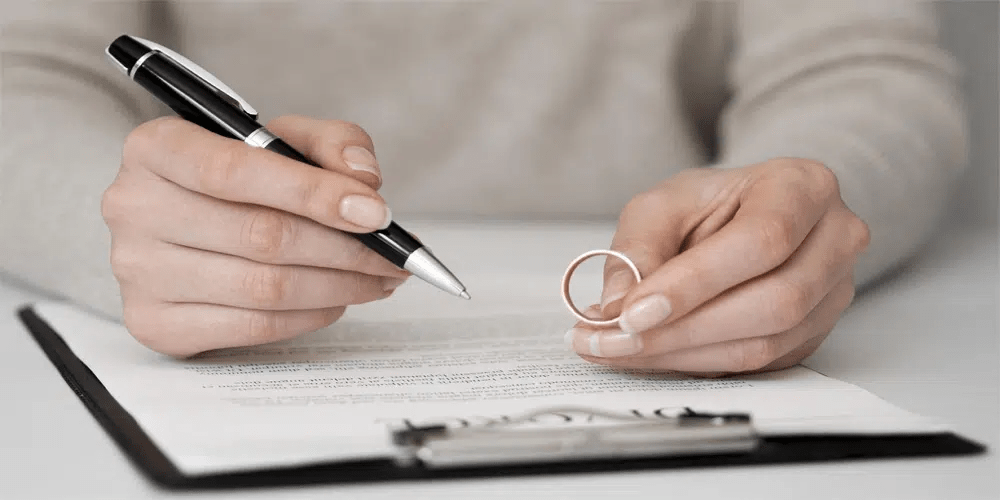
Filing for divorce is often a challenging and emotionally taxing process. In Chennai, as in the rest of India, understanding the legal Official link requirements and ensuring you have the necessary documents ready can make the procedure smoother and less stressful. Whether you are filing for divorce under the Hindu Marriage Act, Special Marriage Act, or any other personal laws, having the right paperwork is essential for your petition to be processed efficiently by the family court.
In this article, we will guide you through the key documents required to file for divorce in Chennai, explain their importance, and provide practical tips to help you prepare your case better.
Understanding the Divorce Process in Chennai
Before diving into the documentation, it’s important to understand the type of divorce you may be filing:
Mutual Consent Divorce: Both spouses agree to the divorce and the terms related to property, child custody, and maintenance.
Contested Divorce: One spouse files the petition, and the other contests it.
Grounds for Divorce: Reasons can include cruelty, adultery, desertion, mental disorder, conversion to another religion, etc., depending on the applicable law.
The documents you need may vary slightly depending on the nature of your case and the grounds on which you file.
Essential Documents Required for Filing Divorce in Chennai
Here is a detailed list of documents that are typically required to file a divorce petition in Chennai:
- Marriage Certificate
The marriage certificate is the primary proof of your marriage and is mandatory. This document establishes the legal existence of the marriage and is crucial for filing the petition.
For Hindu marriages, this is usually issued by the Registrar of Marriages.
For marriages under the Special Marriage Act, the certificate issued by the marriage registrar is required.
If you don’t have a marriage certificate, you may need to provide alternative proof, like affidavits or photographs.
- Address Proof of Both Spouses
You must provide proof of residence for both parties, which helps the court determine jurisdiction.
Accepted documents include Aadhaar card, voter ID card, passport, utility bills, or rental agreements.
This ensures the case is filed in the appropriate family court.
- Photographs
Recent passport-sized photographs of both spouses are generally required to be attached with the divorce petition. This helps in identifying the parties involved.
- Identity Proof
Government-issued identity proof such as Aadhaar card, PAN card, or passport should be submitted to verify the identity of both spouses.
- Divorce Petition
The petition itself is a legal document drafted by the lawyer or petitioner outlining the grounds of divorce, claims for alimony, child custody, and division of property.
It must be signed by the petitioner(s).
In mutual consent divorces, it is a joint petition.
- Details of Children (if any)
If the couple has children, their birth certificates, ages, and any arrangements regarding custody or maintenance should be documented.
The court pays special attention to child welfare in divorce cases.
Details of schooling and living arrangements may also be submitted.
- Financial Documents
These documents include:
Income proofs such as salary slips, income tax returns, or business financial statements.
Details of assets owned by either or both spouses.
Bank statements and property papers, especially if there are disputes over property division or alimony.
Financial transparency is crucial for fair settlements.
- Proof of Separation
In many cases, particularly for mutual consent divorce or contested divorce on grounds such as desertion, couples must prove they have been living separately for a certain period (usually one year).
Rent agreements, utility bills, or affidavits declaring separate residences can serve as proof.
Testimonies or affidavits from relatives or neighbors can also be helpful.
- Previous Court Orders (if applicable)
If there are any existing court orders related to domestic violence, maintenance, custody, or interim relief, these should be submitted.
These documents provide context to the court about prior legal proceedings between the spouses.
Additional Documents Depending on Specific Grounds of Divorce
Depending on the reason for divorce, additional evidence may be required:
Cruelty or domestic violence: Medical reports, police complaints, photographs of injuries, or witness affidavits.
Adultery: Evidence like messages, emails, or witness testimonies.
Desertion: Proof of abandonment such as affidavits or police reports.
Mental illness: Medical certificates or psychological assessments.
Conversion: Relevant documentation or certificates proving change of religion.
Providing strong evidence strengthens your petition and increases the likelihood of a favorable outcome.
Tips for Organizing Your Documents
Keep multiple copies: Courts usually require several copies of each document.
Get documents attested: Certain documents may need to be notarized or attested by a gazetted officer.
Maintain originals safely: Always keep the original documents secure and submit only photocopies unless originals are explicitly required.
Consult a lawyer: A divorce lawyer in Chennai can guide you on the exact documents needed for your case and assist in proper filing.
How a Divorce Lawyer in Chennai Can Assist You
Divorce laws and procedures can be complex. An experienced divorce lawyer in Chennai:
Helps identify all necessary documents based on your case type.
Assists in drafting the divorce petition and supporting affidavits.
Advises on evidence required for contested grounds.
Ensures that all paperwork is correctly submitted to avoid delays.
Represents you in court and negotiates settlements related to alimony, child custody, and property.
Their expertise can make the legal process smoother and more efficient.
Conclusion
Filing for divorce in Chennai involves careful preparation and submission of several critical documents. From your marriage certificate to financial proofs and evidence supporting your grounds for divorce, having the right paperwork ready is vital for your case to proceed without unnecessary hurdles.
Whether you are filing for a mutual consent divorce or a contested divorce, consulting a knowledgeable divorce lawyer can help you understand the documentation requirements and legal process in detail. Proper documentation coupled with expert legal guidance will ensure your divorce case is handled efficiently, helping you move forward with clarity and confidence.
 Site Title